
OEM Furniture Manufacturing in Vietnam: From Design to Repeat Production
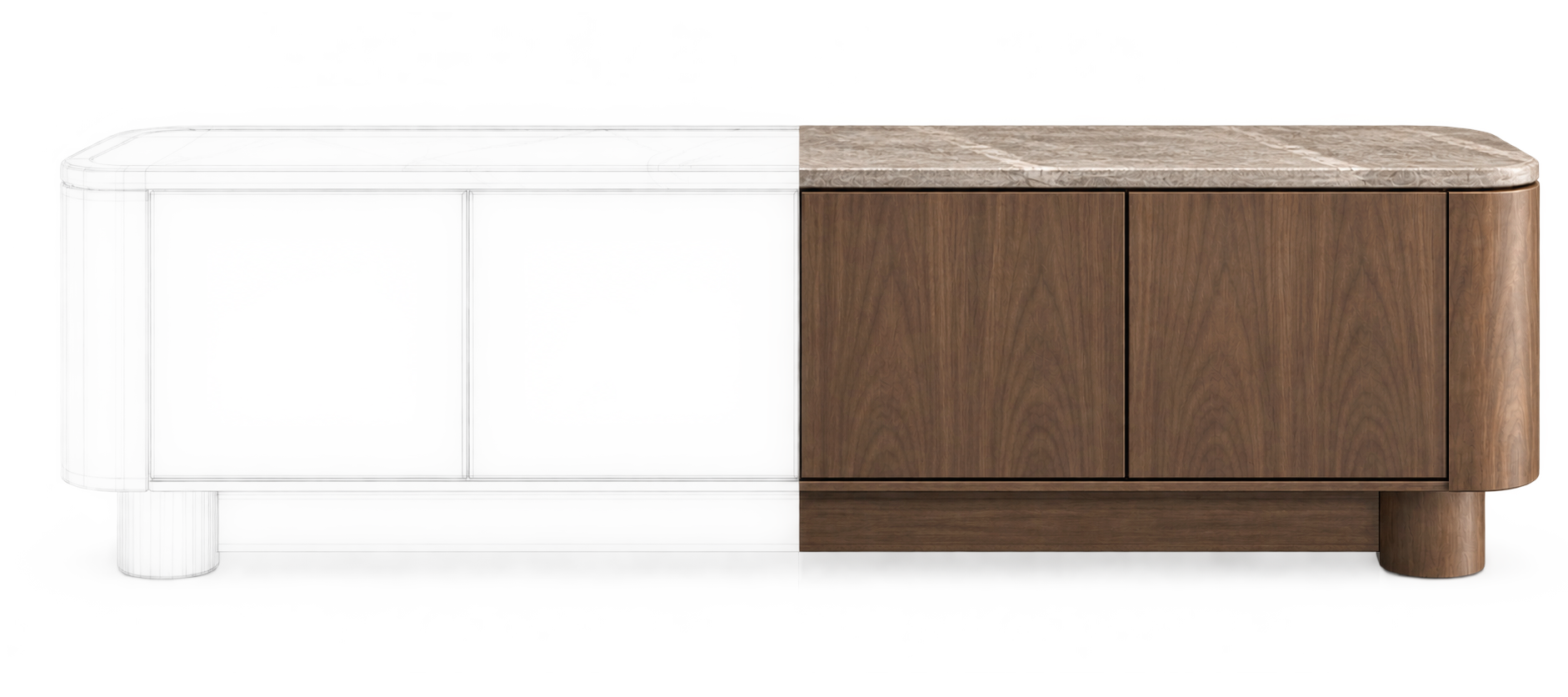
For furniture brands, retailers, wholesalers and private-label operators, OEM manufacturing is not simply a matter of sending a drawing to a factory and receiving a finished product. The real challenge is converting a design into a product that can be manufactured consistently, packed correctly, shipped efficiently and reordered with the same approved specifications.
Satori Furniture supports international buyers with OEM furniture manufacturing in Vietnam, combining product development, technical translation, prototyping, production coordination and quality control. The objective is not a one-time production run. It is to establish a repeatable manufacturing program.
What Does OEM Furniture Manufacturing Mean?
In an OEM program, the buyer controls the product direction. That may begin with complete technical drawings and specifications, or with a less-developed brief that still requires engineering and manufacturing translation.
The manufacturer’s role is to turn that direction into a production-ready product. Depending on the project, this can include material review, construction development, technical drawings, finish development, prototype production, packaging requirements and production quality control.
For established furniture brands, OEM is particularly useful when product identity and specifications must remain under the buyer’s control while manufacturing is executed by an experienced production platform.
Satori Furniture supports international buyers with OEM furniture manufacturing in Vietnam, combining product development, technical translation, prototyping, production coordination and quality control. The objective is not a one-time production run. It is to establish a repeatable manufacturing program.
What Information Should a Buyer Provide?
The strongest RFQs normally include as much of the following information as possible: product drawings or reference images; dimensions; intended materials and finishes; hardware requirements; estimated quantities; target market; packaging requirements; and any testing or compliance requirements.
A complete RFQ allows faster and more accurate costing. Satori’s standard quotation target is 5–7 working days after receipt of a complete RFQ.
From Design Review to Production
Satori’s OEM workflow is structured around defined approval points.
- Inquiry and design review. We review drawings, specifications, concepts, sketches or reference images and identify the information required to move forward.
- Quotation and proposal. After the product scope and materials are sufficiently defined, we prepare pricing and production assumptions.
- Shop drawings. Detailed construction drawings establish dimensions, joinery, materials and other production details. Our standard target is approximately 10 working days, subject to complexity.
- Sample development. Finish samples and prototypes allow the buyer to review the physical execution before mass production.
- Mass production. Production begins after the required approvals, with quality checks throughout the manufacturing process.
- Packaging and shipping. Products are packed for export and shipment details are confirmed before dispatch.
Why Prototypes Matter in OEM Programs
A prototype is more than a visual sample. It is the point where design intent, engineering, materials, finish and manufacturability meet.
Prototype development gives both buyer and manufacturer an opportunity to identify issues before they are multiplied across a production run. Once approved, the prototype and associated technical documentation become important references for production and quality control.
Satori’s prototype timing depends on the number and complexity of products. As a working guideline, prototype development is approximately 4–5 weeks for fewer than five SKUs, 5–7 weeks for fewer than ten SKUs and 7–10 weeks for fewer than twenty SKUs.
Scaling From Approval to Repeat Production
The commercial value of OEM manufacturing comes from repeatability. Once drawings, materials, finishes, packaging and quality expectations have been approved, subsequent production can be managed against established references rather than starting again from zero.
Satori’s standard mass-production guideline is approximately 10–14 weeks, depending on materials and quantities. Actual timing is confirmed with each production program.
For buyers evaluating Vietnam as a long-term manufacturing base, the key question is therefore not only whether a supplier can make the first sample. It is whether the product can be translated into a controlled, repeatable production process.
Who Is Satori Furniture Built to Work With?
Satori is focused on international furniture brands, retailers, wholesalers, importers, distributors and private-label operators with recurring purchasing needs. We work across OEM, ODM and custom product development, with manufacturing capabilities spanning casegoods, tables, seating, upholstery and mixed-material furniture.
If you have an existing design, technical package or product concept that needs to be developed for production in Vietnam, send us the available information and we can review the appropriate development path.
Have A Furniture Program In Mind?
Tell us what you’re working on. Share a drawing, specification, reference, existing product, or simply the idea behind what you want to create. We’ll start with the product and determine what it needs to move forward.